

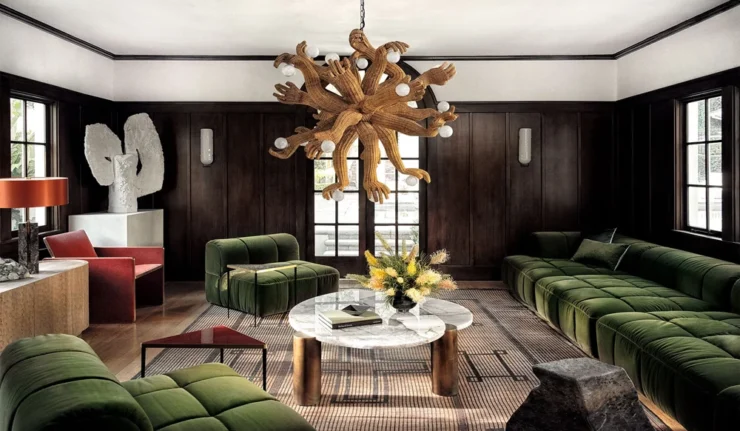
Key Takeaways
A mid century modern chair can instantly elevate a room through its clean lines, organic forms, and balanced proportions, creating a sophisticated focal point without overwhelming the space.
The distinctive features of mid century modern chairs, including tapered legs, molded forms, and minimalist details, combine visual appeal with practical functionality.
These chairs work naturally with contemporary interiors because their simple design makes it easy to coordinate colors, textures, and surrounding furniture.
Mixing mid century modern pieces with furniture from other design periods can create an eclectic and personalized atmosphere while maintaining a cohesive overall look.
Beyond their appearance, mid century modern chairs can become conversation pieces because of their recognizable design history and association with influential designers.
Quality craftsmanship and durable materials can make well-made mid century modern chairs practical long-term furniture pieces that remain useful and visually appealing.
The combination of timeless design, versatility, craftsmanship, and potential value retention makes a mid century modern chair a meaningful addition to many types of interiors.
1. Timeless Design Adds Sophistication to Any Space
How Clean Lines Create an Elegant Look
One of the biggest reasons a mid century modern chair can elevate a space is its timeless visual appeal. Rather than relying on excessive ornamentation, mid century modern design emphasizes clean lines, balanced proportions, and organic forms.
Many of these designs originated during the 1940s through the 1960s, but their straightforward aesthetic continues to work well in contemporary interiors. The combination of simplicity and functionality allows these chairs to add character without making a room feel visually crowded.
A well-designed chair can become a focal point in a living room, office, bedroom, reading area, or other interior. Its shape and proportions naturally attract attention while maintaining a refined appearance.
The Unique Characteristics That Set Them Apart
Mid century modern chairs are recognizable through several design characteristics that distinguish them from more heavily decorated furniture styles.
Common features include:
- Clean lines: Simple silhouettes create an uncluttered visual effect.
- Organic shapes: Curved or molded forms can introduce softness and visual movement.
- Tapered legs: Angled or tapered legs add a distinctive mid century appearance.
- Functional design: Form is balanced with practical use and comfort.
- Innovative materials: Wood, molded plastics, metals, leather, and textiles can all appear in mid century-inspired designs.
These characteristics make the style adaptable enough to work in both classic and contemporary environments.
2. Versatile Styling Makes It Easy to Integrate
Pairing with Modern Decor for a Cohesive Look
Another reason mid century modern chairs elevate a room is their ability to work alongside contemporary furniture. Their relatively simple forms make them easier to coordinate with modern sofas, tables, lighting, artwork, and decorative accessories.
Color coordination is particularly useful when integrating one of these chairs into an existing room. For example, a warm walnut finish can complement neutral walls and modern furnishings, while a chair with a bold upholstery color can provide a controlled accent.
Several strategies can help create a cohesive look:
- Color alignment: Repeat colors from the chair elsewhere in the room.
- Thematic continuity: Choose artwork, lighting, and accessories that complement its design language.
- Mix textures: Combine wood, leather, fabric, metal, and other materials to create visual depth.
- Balance proportions: Avoid surrounding the chair with furniture that overwhelms its scale.
Instead of redesigning an entire room, homeowners can use a carefully selected chair as a focused design element.
Mixing Eras: Blending Vintage and Contemporary Styles
Mid century modern furniture does not have to be surrounded exclusively by pieces from the same period. Mixing design eras can create an eclectic environment that feels more personal and visually interesting.
A mid century modern chair can be paired with industrial furniture, Scandinavian-inspired pieces, contemporary lighting, or even selected traditional accessories.
To make different styles work together, consider:
- Layering styles: Introduce different design influences gradually rather than filling the room with unrelated pieces.
- Maintaining a central theme: Use color, materials, or shapes to create connections between different furniture styles.
- Balancing contrast: Let distinctive pieces stand out while keeping the overall room visually organized.
This flexibility allows a chair to adapt to changing decorating preferences rather than becoming limited to one specific interior style.
3. It Creates a Strong Focal Point and Conversation Piece
The Art of Storytelling Through Design
Furniture can contribute more to a room than function alone. A distinctive mid century modern chair can encourage guests to ask about its design, materials, history, or inspiration.
The period is associated with influential designers and recognizable furniture forms, giving many pieces a design story that can add personality to an interior.
Rather than disappearing into the background, a well-positioned chair can contribute to the identity of the room. Its distinctive silhouette can attract attention while giving the surrounding space a more curated appearance.
Why They Make Perfect Statement Pieces
A statement piece does not necessarily need to be large or highly decorative. Sometimes, proportion, shape, and material are enough to make furniture stand out.
Mid century modern chairs can serve as focal points because of their recognizable forms and carefully considered details.
They can provide:
- Visual impact: Distinctive shapes naturally draw attention.
- Functional appeal: The chair remains useful while contributing to the room’s aesthetic.
- Personality: A recognizable design can make an otherwise ordinary space feel more intentional.
- Conversation value: Design history and craftsmanship can give guests something interesting to discuss.
Positioning one chair in a reading corner, beside a sofa, or within an open living area can create a clear visual anchor.
4. Quality Craftsmanship Supports Long-Term Use
Understanding the Craftsmanship Behind Iconic Designs
A chair can elevate a space not only because of how it looks but also because of how it is made. Quality craftsmanship can contribute to durability, comfort, and a more refined appearance.
Mid century modern furniture often emphasizes the relationship between materials, construction, form, and function. Well-made pieces can use carefully finished wood, durable upholstery, molded materials, or strong structural components.
Important qualities to consider include:
- Durable materials: Materials should be appropriate for the chair’s intended use.
- Careful construction: Strong joints and thoughtful assembly contribute to structural stability.
- Comfort: Good design balances visual appeal with practical seating needs.
- Consistent detailing: Finishes, upholstery, and hardware can influence the overall quality of the piece.
Choosing a well-crafted chair can help ensure that the furniture remains useful and attractive over time.
Value Retention: A Design Piece That Can Stay Relevant
Some mid century modern chairs can maintain interest among collectors, designers, and homeowners because of their recognizable design heritage. However, resale value can vary significantly depending on the designer, authenticity, condition, rarity, materials, and market demand.
Factors that can influence desirability include:
- Designer recognition: Pieces associated with notable designers may attract greater interest.
- Historical significance: Designs with an established place in furniture history can have lasting appeal.
- Condition: Well-maintained pieces are generally more desirable than heavily damaged examples.
- Rarity: Limited production or less common designs may attract collectors.
- Authenticity: Original and properly documented pieces may differ significantly from reproductions in collector markets.
This means a quality mid century modern chair can serve as both functional furniture and a design piece with lasting visual relevance.
5. Its Adaptability Helps Transform Different Spaces
Creating Character in Living Rooms and Common Areas
A mid century modern chair can add structure and personality to a living room without requiring major changes to the existing layout.
It can be positioned as an accent chair beside a sofa, used to create a dedicated reading area, or placed strategically to balance the room’s furniture arrangement.
The chair’s relatively simple design also allows other elements, such as artwork, rugs, lighting, and plants, to remain part of the overall visual composition.
Bringing Style to Offices, Bedrooms, and Reading Areas
The versatility of mid century modern design extends beyond living rooms. These chairs can also work in home offices, bedrooms, entryways, libraries, and reading spaces.
In an office, a carefully selected chair can soften an otherwise functional environment. In a bedroom or reading corner, it can create a comfortable and visually distinct area.
Because the style focuses on practical functionality as well as appearance, it can adapt to spaces where furniture needs to serve a clear purpose.
The result is a piece that does not simply fill an empty area. It can help define how the space looks, feels, and functions.
FAQ
What defines a mid century modern chair’s design style?
Mid century modern chairs are commonly associated with clean lines, organic forms, balanced proportions, tapered legs, and functional design. Depending on the piece, materials may include wood, molded plastic, metal, leather, or fabric.
Can mid century modern chairs fit into any decor style?
They can complement a wide range of interior styles, including contemporary, industrial, Scandinavian, minimalist, and eclectic spaces. Their relatively simple forms make them adaptable to different furniture combinations.
What should one consider when purchasing a mid century modern chair?
Consider the chair’s construction, materials, comfort, dimensions, condition, design authenticity, and how well its proportions fit the intended space. For collectible pieces, designer attribution and provenance may also be important.
How can mid century modern chairs influence room dynamics?
Their distinctive shapes can create a focal point and add visual interest without requiring major changes to the room. Placement, color, and surrounding furniture can determine how strongly the chair influences the overall space.
What are some practical care tips for maintaining mid century modern chairs?
Regular dusting and appropriate cleaning methods can help maintain the chair’s condition. Keep wooden components away from excessive moisture and protect upholstery according to the manufacturer’s care instructions. Direct sunlight should also be limited when possible to reduce fading.
Are there specific colors that pair well with mid century modern chairs?
Neutral tones, natural wood shades, muted earth colors, and selected bold accent colors can work well with mid century modern furniture. The best choice depends on the chair’s material, upholstery, and the existing room palette.
What makes mid century modern chairs valuable investments?
Their potential long-term value can come from design recognition, craftsmanship, historical significance, rarity, condition, and demand. However, not every chair will appreciate in monetary value, so purchasing decisions should also consider quality and personal enjoyment.
How do mid century modern chairs contribute to ecological considerations in design?
Durable furniture can potentially reduce the need for frequent replacement, which may help minimize waste over time. Choosing well-made pieces that can remain functional for many years supports a more longevity-focused approach to furnishing a space.
Useful Resources
- Design Museum – Insights into various design movements, including mid century modern.
- The Museum of Modern Art (MoMA) – Explore modern design and architecture through exhibitions and collections.
- Architectural Digest – Articles covering interior design tips, styles, and trends, including mid century modern design.
- Dwell – A publication focused on modern architecture and design, featuring mid century elements.
- Interior Design – Professional insights into the world of design, including historical contexts and modern applications.
- Canadian Centre for Architecture – Explore architectural history and design concepts, including exhibitions featuring mid century modern pieces.
- Livingetc – Lifestyle magazine with focus on contemporary interiors and design ideas that incorporate mid century modern pieces.
- Architectural Record – A rich resource for architectural and design journalism, highlighting significant design movements.


